Polymer Price Know-How: November 2022
 Jess Clarke
- 4 minutes read

|
Getting your Trinity Audio player ready...
|
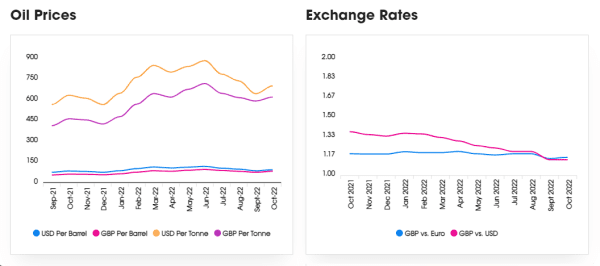
The latest instalment of Price Know-How has been released by the leading polymer distributor, Plastribution. Price Know-How helps plastic raw material buyers make informed purchasing decisions. This month, feedstock producers have achieved price increases across the board, halting what has been a strong downtrend since July.
Overview : November 2022

Polyolefins
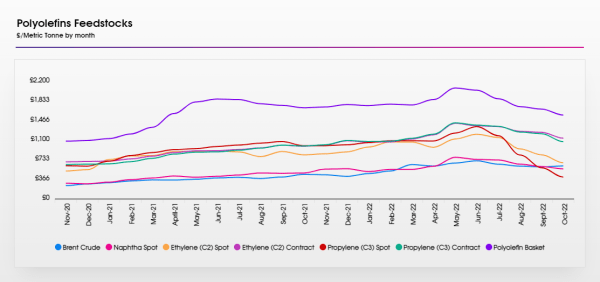
November has seen some stability in the market following the price rebound in October. Monomers both rose, with C3 Propylene increasing €20 / MT and C2 Ethylene up €35 / MT. Whilst some producers sought increases on the back of these feedstock movements, most eventually retreated to rollover as demand remained muted. Some are still seeking monomer increases on LDPE citing individual shortages.
Others reliant on deep sea imports from either Middle East or USA have held their ground on increases for LLDPE, with reports of delays on shipments. Energy surcharge discussions have been quieter this month and it remains to be seen if the promised push for increases in this area goes forward. With no significant supply interruptions and market interest low in the face of global economic factors, it’s a buyers’ market and producers may not be able to force through surcharges.
Outlook for December is expected to be very similar but with many companies proposing early shutdowns, demand could weaken further. No significant movement in monomers is expected for December so a likely scenario is rollover in polymer prices. Producers are cutting production or extended planned shutdowns to try and balance supply and demand.
Styrenics
Engineering Polymer
Price Know-How: November 2022 Full Report
Visit the Price Know-How website to read the November 2022 update, including an in-depth analysis of each market segment and material group by Plastributions expert product managers.
Subscribe and keep in the know
Price Know-How is an industry-leading report to keep you updated on polymer pricing and market fluctuations. A trusted, go-to resource for over a decade, Price Know-how is produced by the thermoplastics experts at the leading polymer distributor, Plastribution, with data from Plastics Information Europe.
Unlike many pricing reports, Price Know-How is tailored specifically for the UK polymer industry. We do all the currency conversions, so you don’t need to!