BPF Launches EPS Recycling Roadmap
 George Nowill
- 3 minutes read

|
Getting your Trinity Audio player ready...
|
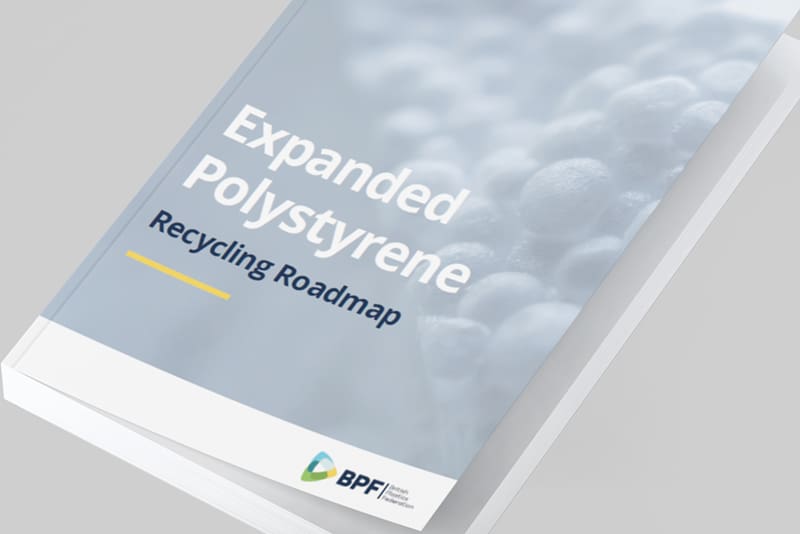
The British Plastics Federation (BPF) EPS Group is launching the EPS Recycling Roadmap, setting out a clear path to increase the recycling rate of expanded polystyrene (EPS) packaging from 61% today to 68% by 2030 and 80% by 2035.
EPS is a lightweight, versatile material used in both packaging and construction. In packaging, its thermal properties help protect fish and seafood on long supply chains and keep medicines and fresh food at the right temperature, while its impact resistance protects heavy white goods in transit. In construction, EPS is widely used to insulate floors, walls and roofs, helping buildings use less energy for heating.
EPS is one of the UK’s best-performing plastic packaging materials for recycling. As it is a single material and around 98% air, it can be compacted to a fraction of its volume and recycled into new packaging and building insulation.
Three Key Areas for Increasing EPS Recycling
The roadmap builds on this strong starting point and sets out the practical steps needed to go further. It identifies three key areas where action will make the biggest difference:
- Increase Investment – recognising waste and resource management as critical infrastructure, investing Plastic Packaging Tax revenue in recycling infrastructure, and supporting the development and commercialisation of new sorting and recycling technologies in the UK.
- Optimise Legislation and Existing Systems – removing EPS from the packaging Extended Producer Responsibility (pEPR) ‘red’ list to better reflect its established recyclability. The roadmap also calls for the UK-EU SPS agreement to be concluded and implemented, enabling more “novel technology” approvals for recycled food-contact materials. It asks for mass balance rules that encourage investment in UK chemical recycling, and for robust, independently certified verification and traceability of recycled content.
- Improve Communications and Collection Systems – raising awareness through regular, clear communications for businesses, with campaigns part-funded through pEPR with a share of pEPR fees collected on EPS packaging to be reinvested in improving collection, including retailer take-back schemes. For construction, the roadmap calls for standardised guidance to help demolition and building sites separate EPS for recycling, and for digital product passports to enable more efficient identification, collection and recycling at end of life.
The roadmap features case studies from across the UK supply chain, demonstrating how EPS is already being collected, compacted and recycled into new products, including packaging and building insulation. These examples show that the infrastructure, expertise and practical solutions are already in place to build on existing progress.
Angela Fredericks, Senior Advisor, EPS, Packaging & Innovation, said:
“EPS is already one of the UK’s most recycled plastic packaging materials, and this roadmap shows how we can go even further. The industry has invested in collection and recycling and now needs the right policy and infrastructure in place to reach 80% by 2035. We look forward to working with Government, local authorities, businesses and retailers to make that happen.”
Readers can download the EPS Recycling Roadmap by clicking here.