Five Steps to Building a Skilled Injection Moulding Workforce // Sierra 57 Blog
 Dan Russell
- 3 minutes read

|
Getting your Trinity Audio player ready...
|
Injection moulding companies face increasing pressure to deliver high-quality products efficiently while adapting to new materials, technologies, and sustainability demands. A skilled and capable workforce is a crucial factor in this.
But building such a team doesn’t happen overnight – it requires a structured, long-term approach. Here, Sierra 57 highlights five essential steps to developing a highly skilled injection moulding workforce.
1. Define Clear Skill Requirements
Understanding exactly what skills are needed is key. Injection moulding is a multidisciplinary field involving machine operation, tooling knowledge, material science, quality control, and process optimisation. Map out roles within your operation – from machine operators and setters to process engineers and maintenance technicians. For each role, define the technical competencies and soft skills required – this clarity helps guide recruitment and training.
2. Invest in Structured Training Programs
A skilled workforce cannot be developed without consistent and high-quality training. Develop structured onboarding programs and continuous learning opportunities for new and existing employees.
Training should include (not exhaustive):
- Fundamentals of injection moulding processes
- Machine setup and troubleshooting
- Material handling and behaviour
- Quality standards and defect analysis
- Health and safety practices
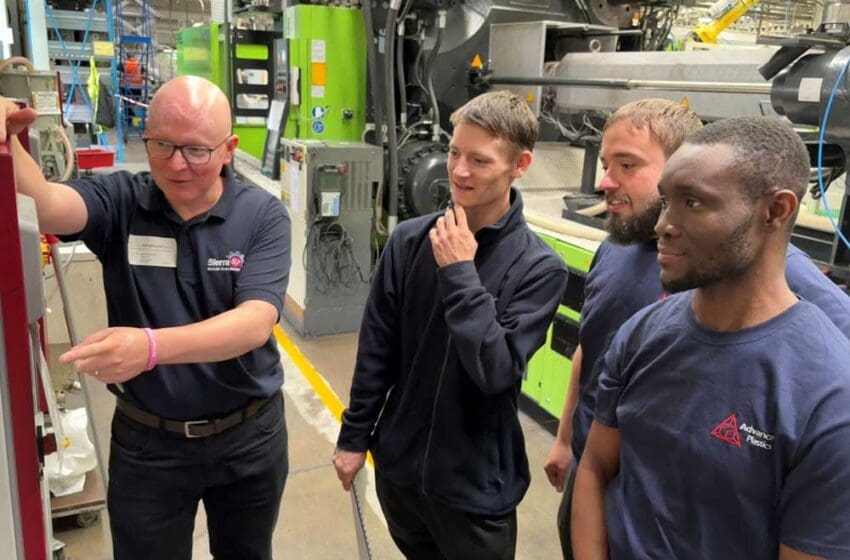
Blending classroom instruction (theory) with hands-on training (practical) is especially effective, such as that delivered by Sierra 57 Consult.
3. Embrace Knowledge Transfer from Industry Professionals
Much of the expertise at Sierra 57 has been developed through extensive industry experience. Our veteran mould technicians bring decades of hands-on knowledge, including valuable tacit insights that cannot be captured in manuals. Industry training programmes not only accelerate skills development but also foster the preservation of institutional knowledge, encouraging a culture of internal knowledge sharing and ensuring that critical insights are not lost over time.
4. Leverage Technology and Automation
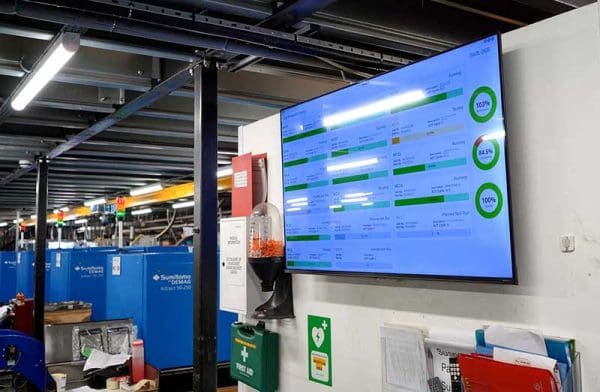
Modern injection moulding increasingly relies on advanced technologies such as automation, data analytics, and process monitoring systems. A skilled workforce must be comfortable working alongside these tools.
Training should include (not exhaustive):
- Automated systems and robotics
- Machine interfaces and control software
- Data interpretation for process optimisation
Upskilling employees in these areas improves efficiency, reduces errors, and prepares your workforce for future industry developments.
5. Create a Culture of Continuous Improvement
Building a skilled workforce is not a one-time effort – it requires an ongoing commitment to training and improvement. Encourage employees to seek out better ways of working, identify inefficiencies, and contribute ideas.
Implement practices such as:
- Regular performance reviews and feedback
- Continuous improvement programs, supplemented by training
- Recognition and rewards for engagement in training and the development of new skills
When employees feel valued and empowered, they are more likely to take ownership of their growth and contribute to your organisation’s success.
Read more news from Sierra 57 Consult.

Sierra 57 Consult
+44 (0) 1684 217680
Website
Email