Laser Marking Additives Explained for Plastic Processors // Broadway Blog
 PlastikMedia Guest
- 5 minutes read

|
Getting your Trinity Audio player ready...
|
Permanent product marking is now essential across manufacturing, from medical devices needing full traceability to automotive components requiring durable identification codes. As demand grows for reliable ways to mark plastic parts during production, Broadway is helping manufacturers achieve consistent, long‑lasting results.
Laser marking additives provide a modern alternative to traditional labels, improving efficiency while supporting sustainability goals. They deliver clean, permanent marks without consumables, offering the durability and performance today’s manufacturers expect.
What is a laser marking additive?
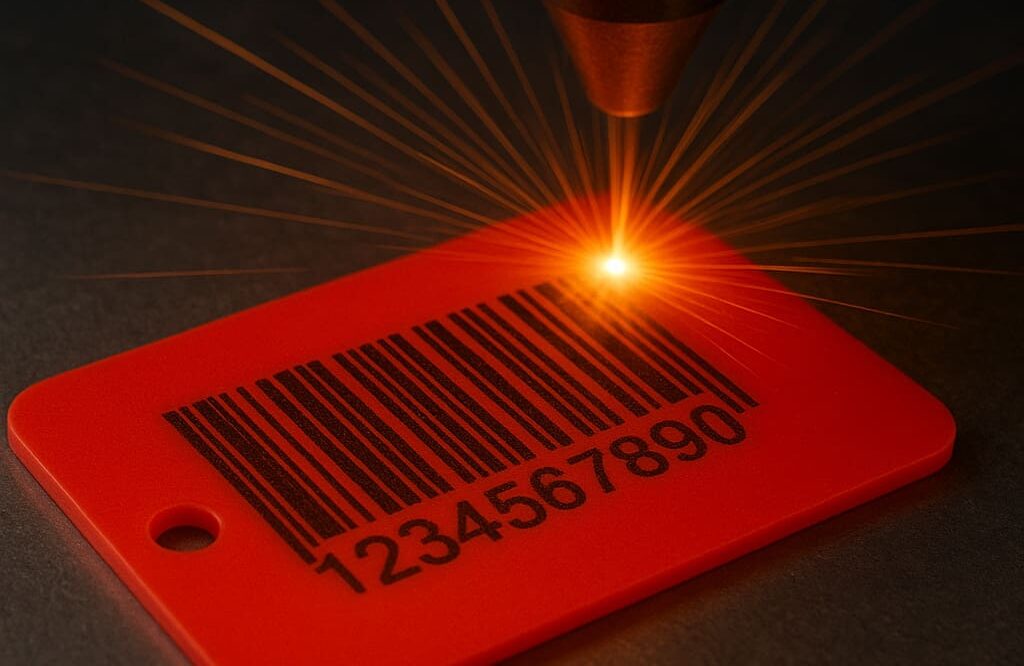
Laser marking additives can be incorporated into plastic components during the manufacturing process, usually within an additive masterbatch. They enable permanent marking using industrial laser systems. These additives absorb high-intensity laser energy, creating controlled thermal reactions within the polymer matrix that produce visible, durable marks without surface contact or consumables.
How laser marking additives work
When a near-infrared (NIR) laser beam contacts plastic containing laser marking additives, the energy absorption creates a precise, controlled reaction. The additives are sensitive to laser light, converting the energy from the laser into localised heat, causing either carbonisation or foaming within the polymer structure.
This process creates a controlled, precise and permanent mark that becomes an integral part of the plastic component, rather than sitting on the surface like traditional printing methods.
The laser marking remains consistent throughout the product’s lifecycle, resisting chemicals, abrasion, and environmental exposure that would damage conventional labels or printed marks. This process also eliminates the need for other consumables, such as inks, solvents, or foils.
Applications across industries
Medical devices and pharmaceuticals- Medical manufacturers use laser marking for Unique Device Identification (UDI) for traceability and compliance, lot codes, and sterilisation indicators. The biocompatibility of properly formulated additives ensures compliance with stringent medical regulations.
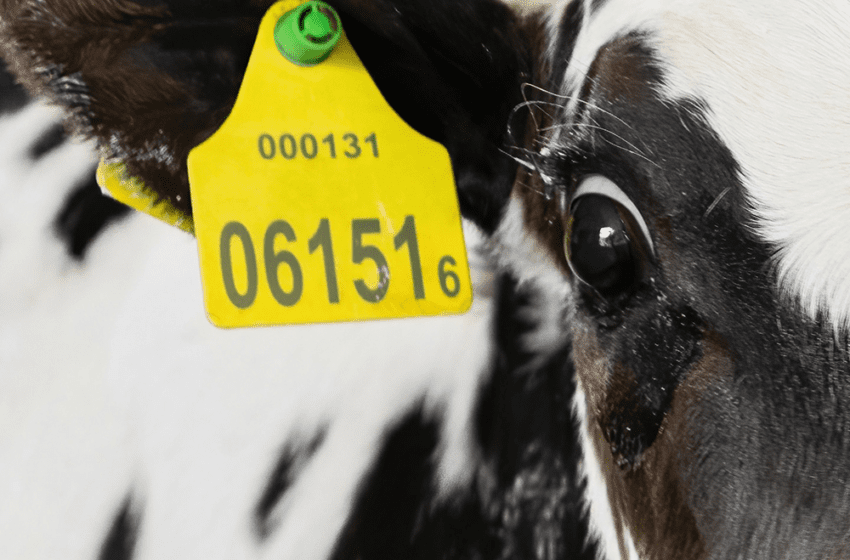
Agriculture- Laser marking is widely used on livestock tags, providing unique, permanent identification that remains legible in harsh outdoor conditions, including UV exposure, moisture, and rough handling. Durable, clearly coded tags improve traceability, herd management, and operational efficiency across farming operations.
Automotive components- Vehicle parts require permanent marking for part numbers, manufacturing dates, serial numbers and safety certifications. Laser marks withstand engine compartment temperatures, chemical exposure, and mechanical stress throughout the vehicle’s lifetime. Laser marking is also very common for backlit symbols and high-durability controls in vehicle interiors.

Packaging- Food and beverage packaging benefits from direct marking of best-before dates, batch codes, and recycling information. Eliminating adhesive labels reduces contamination risks by removing adhesives, inks, and label debris from the packaging system.
Beyond functional marking, direct laser marking offers a distinctive surface-design option, as seen in personal care and cosmetic packaging, to elevate product aesthetics. It also supports recyclability by enhancing NIR detectability and enabling mono-material packaging designs, improving the quality of recycled plastic streams.
Electronics manufacturing- Circuit boards and components utilise laser marking for identification, safety certifications, and traceability codes. The precision suits miniaturisation trends in electronics manufacturing.
Benefits of laser marking additives
Environmental sustainability- Laser marking creates truly mono-material products by eliminating labels and adhesives. This improves recyclability as traditional labels can block NIR detection signals in automated sorting systems, preventing polymer identification. When the polymer cannot be identified, it cannot be automatically sorted and goes into the waste stream by default. Packaging with better recyclability may qualify for reduced Extended Producer Responsibility (EPR) fees.
Operational efficiency- Manufacturing lines achieve faster throughput without drying times or curing processes. The non-contact nature eliminates consumables, reducing ongoing operational costs. Software-controlled systems enable instant content changes for variable data without stopping production.
Quality & consistency- Unlike printed marks that fade or labels that peel, laser marks maintain uniform quality as they become part of the plastic component itself. This permanence proves valuable in harsh industrial environments or medical applications requiring repeated sterilisation.
Types of laser marking
Dark marking- Creates black marks on light-coloured plastics through carbonisation. This method suits applications requiring high contrast, for example barcode scanning or text readability.
Light marking- Produces white or bright marks on dark plastics using micro-foam formation. The laser causes tiny bubbles to form, scattering light to create visibility on darker substrates.
Colour marking- Enables specific colour changes through controlled chemical reactions, expanding design possibilities beyond monochrome marking for brand differentiation or coding systems.
Considerations for implementation
Polymer compatibility- Different plastics require optimised additive formulations. Consider the base resin’s thermal properties, transparency, and processing temperature. Additives must work harmoniously with existing colour masterbatches and other additives, such as UV stabilisers and processing aids.
Processing methods- Laser marking additives can be used in various processes, including injection moulding, blow moulding, film and profile extrusion, and 3D printing. Each process may require optimisation of additive concentration and laser parameters.
Laser system requirements- Most additives are optimised for NIR laser systems operating at 1064nm wavelength. Ensure your laser parameters align with the additive’s activation requirements for optimal marking quality.
Regulatory compliance- For food contact, medical, or toy applications, ensure additives meet relevant international and local regulations, including FDA, EU food contact, biocompatibility standards, and regional toy safety requirements.
Conclusion
Laser marking additives for plastics provide manufacturers with a sustainable, cost-effective solution for permanent product identification. By eliminating consumables and improving recyclability, these additives support both operational efficiency and environmental goals. As regulations increasingly demand product traceability and sustainable packaging, laser marking offers the permanent, clean identification system manufacturers need.
Ready to implement laser marking in your plastic products? Broadway’s laser marking additives form part of our comprehensive + performance range, designed to enhance your plastic products through innovative additive solutions. Our technical team can help you develop the ideal formulation for your specific application, whether as a standalone additive or combined with colour in a single masterbatch.
Read more news from Broadway here.

Broadway
+44(0)1986 875 100
Website
Email