
If you have not already seen the increase in your utility invoices, the next that you receive will have an increase in the CCL charge from 1st April 2019.
Brexit has shaken up businesses across the country, and many companies are using this as an opportunity to re-evaluate the…Read More

Our next stop was at Nottingham based CMS UK Ltd.Read More

Some say hot air dryers have limited application as they are only effective for drying surface moisture from non-hydroscopic materials…Read More

Most modern plastic processing companies will employ a preventative maintenance program. This will usually centre around the servicing of primary…Read More
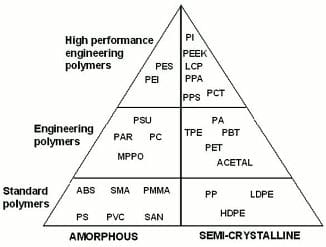
When faced with selecting a thermoplastic for a new component, I find it helpful to view potential materials in two…Read More

Plunkett Associates’ experience takes us from low volume into hundreds of thousands, or put another way, container loads! We would…Read More

Welcome to the second edition of PlastikCity on tour! Our next stop was at Wellingborough based Renmar Plastics Machinery.Read More

To assess solvent resistance, first consider solvents spread out on a polarity scale. Non-polar solvents are at one end, such…Read More

mo explains measures to maintain the vacuumRead More