White Horse Plastics Adopts Hydraulic Biolubricant to Reduce Waste and Achieve Long-Term Energy Savings
 Jess Clarke
- 4 minutes read

|
Getting your Trinity Audio player ready...
|
After three years of rigorous testing by Oxfordshire-based White Horse Plastics (WHP), Performance Biolubricants Mi240 have announced that their hydraulic fluid technology has effectively ended the need for traditional oil changes on two machines at WHP’s Faringdon facility. By switching to Mi240 HYDRAULIC – a saturated synthetic ester (SSE) biolubricant – the precision injection moulding specialist has successfully slashed fluid waste and maintenance overheads during one of the UK plastics industry’s most challenging trading periods.
With spiralling operational costs squeezing profitability and rising demand for sustainably produced components, moulders are under intense pressure to find efficiencies. For WHP, “responsible manufacturing” is nothing new, but the 36-month trial of Mi240 HYDRAULIC has proven that environmental goals can directly drive commercial benefits.
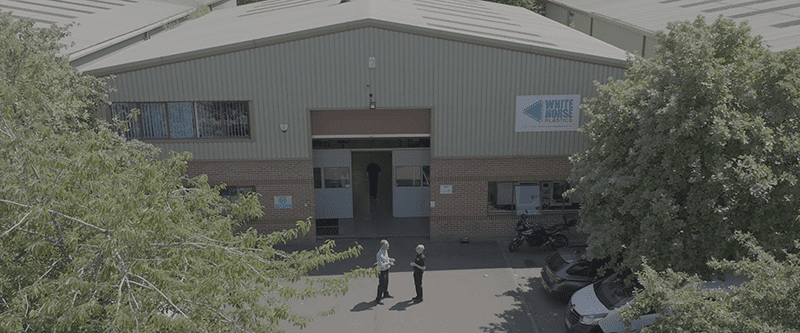
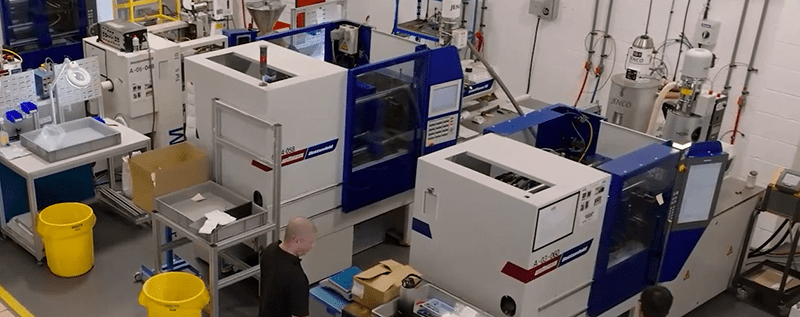
Based in South Oxfordshire, WHP has spent 50 years producing high-tolerance components for the medical, automotive, and engineering sectors. Because these industries require absolute precision, the company’s machines – ranging from 22-tonne to 270-tonne clamping force – often run on a heavy 24-hour schedule. Operating under this pressure typically requires constant oil top-ups and periodic full-system flushes, a process that historically clashed with WHP’s sustainable ethos.
The Three-Year Trial
In 2022, WHP began looking for a sustainable alternative that wouldn’t sacrifice thermal stability or high-pressure performance. They decided to test Mi240 HYDRAULIC in two of their oldest, most heavily used machines. One of these units was tasked with 24-hour, 5-day shift patterns to produce intricate parts for a major new client.
The results from the floor have been significant. While standard mineral oils would have degraded and required several changes over a three-year window, the original Mi240 fluid is still in the machines and working today.
Key results from the case study include: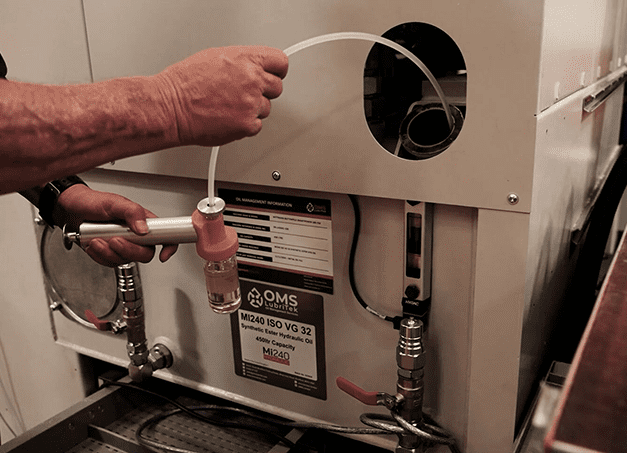
- Zero oil changes: Three years in, the original Mi240 fluid is still performing without any signs of wear or degradation.
- Lower consumption: During the trial, there were also no “top-ups”, which has lowered the total volume of fluid the company has to buy compared to mineral oils.
- Cleaner operations: Because it is a readily biodegradable Environmentally Acceptable Lubricant (EAL), Mi240 is safer for the environment and has mitigated the need for hazardous waste disposal.
- Better machine health: Regular oil monitoring showed that metallic wear was actually lower than when the machines used standard mineral oils.
Mi240 HYDRAULIC is a readily biodegradable lubricant formulated from fully saturated synthetic esters (SSE). Unlike traditional mineral oils, which oxidise over time and create “varnish” or carbon deposits that lead to valve-jamming and component wear, Mi240 is designed to resist thermal degradation. This stability allows the fluid to maintain its lubricating properties over tens of thousands of operational hours, even in high-heat environments like plastic injection moulding.
The fluid also offers improved energy efficiency, with other ongoing trial results showing reductions in machine power consumption by approximately 8%.
Looking Ahead
The success of the trial has already shifted how WHP plans its infrastructure. The company has already put Mi240 into two new energy-efficient Wittmann Battenfeld machines and plans to roll it out to all suitable machines on-site.
“Being able to supply our customers in the most efficient way possible means eliminating waste, optimising processes, and operating responsibly and sustainably,” said Paul Bobby, Managing Director at White Horse Plastics.
“To help achieve our goals, we’ve embraced new technologies such as using bio-polymers, integrated material management processes, and invested in energy-efficient equipment. It therefore seemed logical that we should also try to find a sustainable high-performance hydraulic fluid for our machines that complemented our manufacturing ethos.
“Mi240 HYDRAULIC ticks all the boxes and delivers a sustainable solution beyond its biodegradability. We’ve used the fluid in two machines for over three years, and neither has required the usual oil changes or fluid top-ups that we had to do with previous mineral oil fluids. This greatly reduced the amount of hydraulic fluid required over time and was partly the reason behind adding Mi240 to two new machines on-site.
“We understand that using Mi240 offers energy savings as well, so combining all these positive factors means we plan to roll out Mi240 to other machines in the future.”
Through this partnership with M&I Materials, White Horse Plastics has proven that Mi240 is a practical solution for improving day-to-day operational efficiency while meeting modern sustainability standards.
For more information on Mi240 HYDRAULIC or to read the full White Horse Plastics case study, visit performance-biolubricants.com.
Read more plastics material news here.

M&I Materials
+44 (0)161 864 5449
Website
Email