LATI and AiM Tech Advance Racing Wheel with Carbon‑Fibre Reinforced PA66
|
Getting your Trinity Audio player ready...
|
In contemporary motorsport, vehicle performance increasingly depends on the ability to acquire, process and display real-time data. Displays, data loggers, sensors and advanced electronic systems require structural components capable of ensuring dimensional accuracy, stiffness and reliability, even under the most demanding operating conditions. This is the context for the collaboration between AiM Tech S.R.L., an Italian company specialising in electronics and data management systems for motorsport, and LATI Industria Termoplastici, a manufacturer of high-performance engineering compounds.
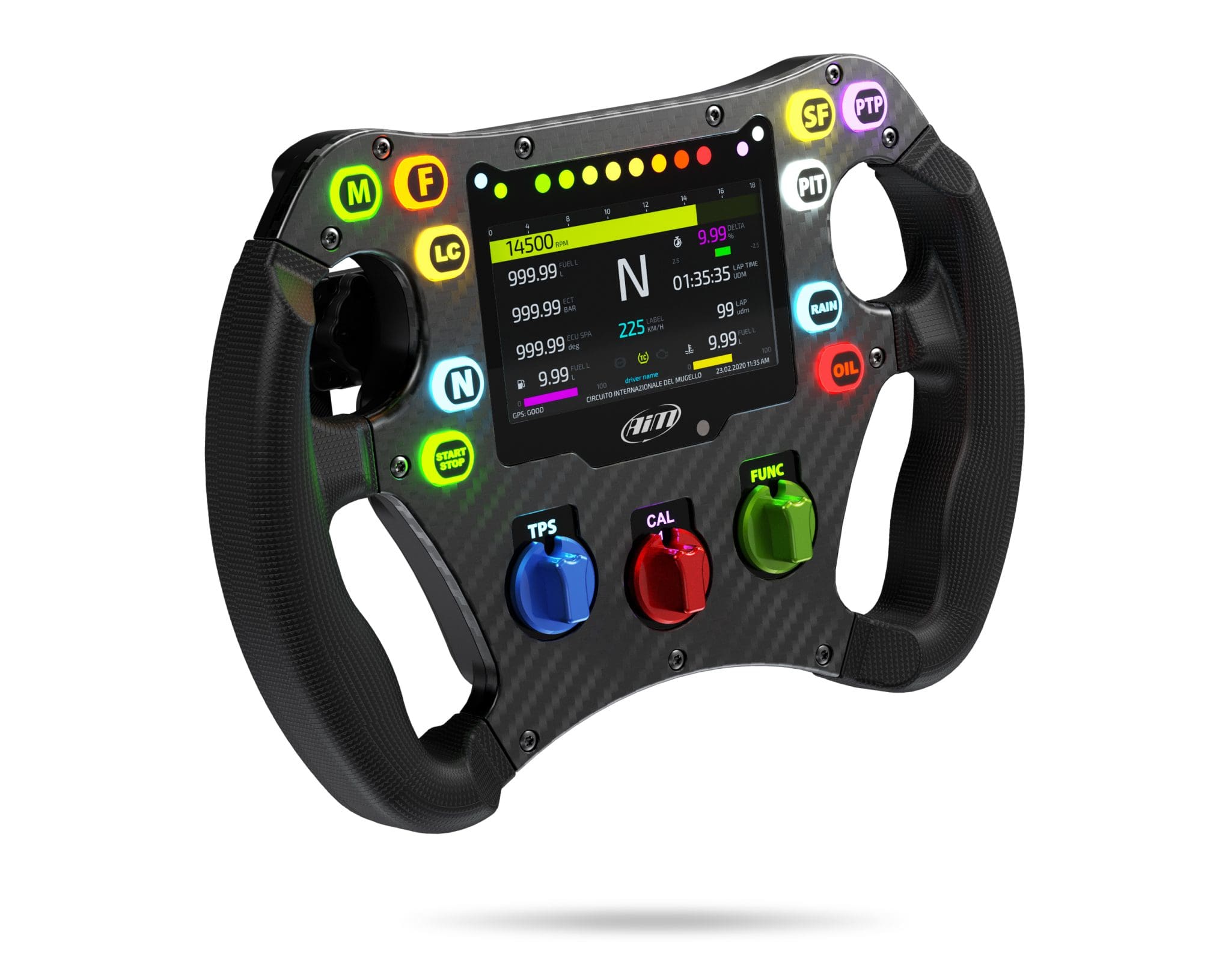
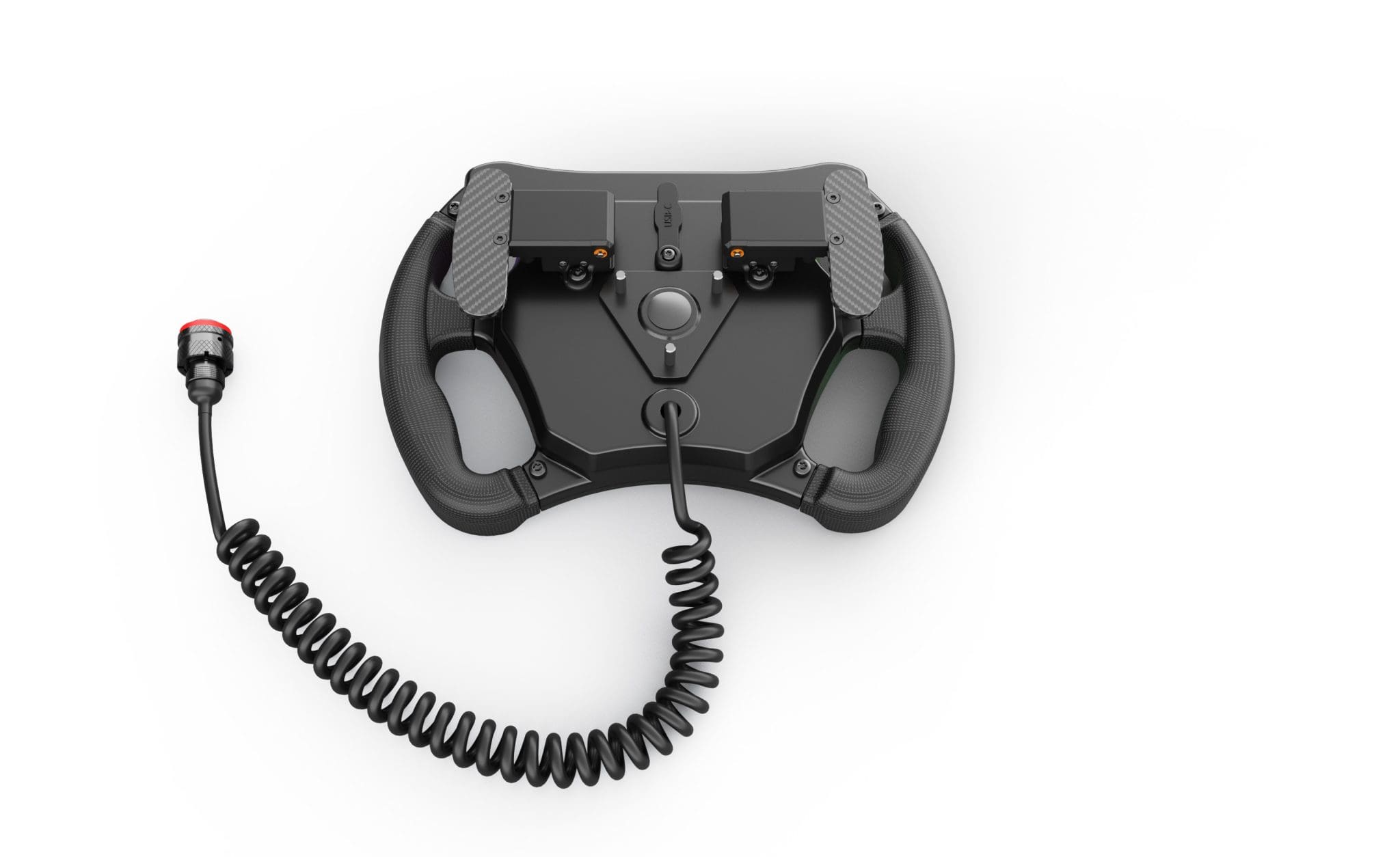
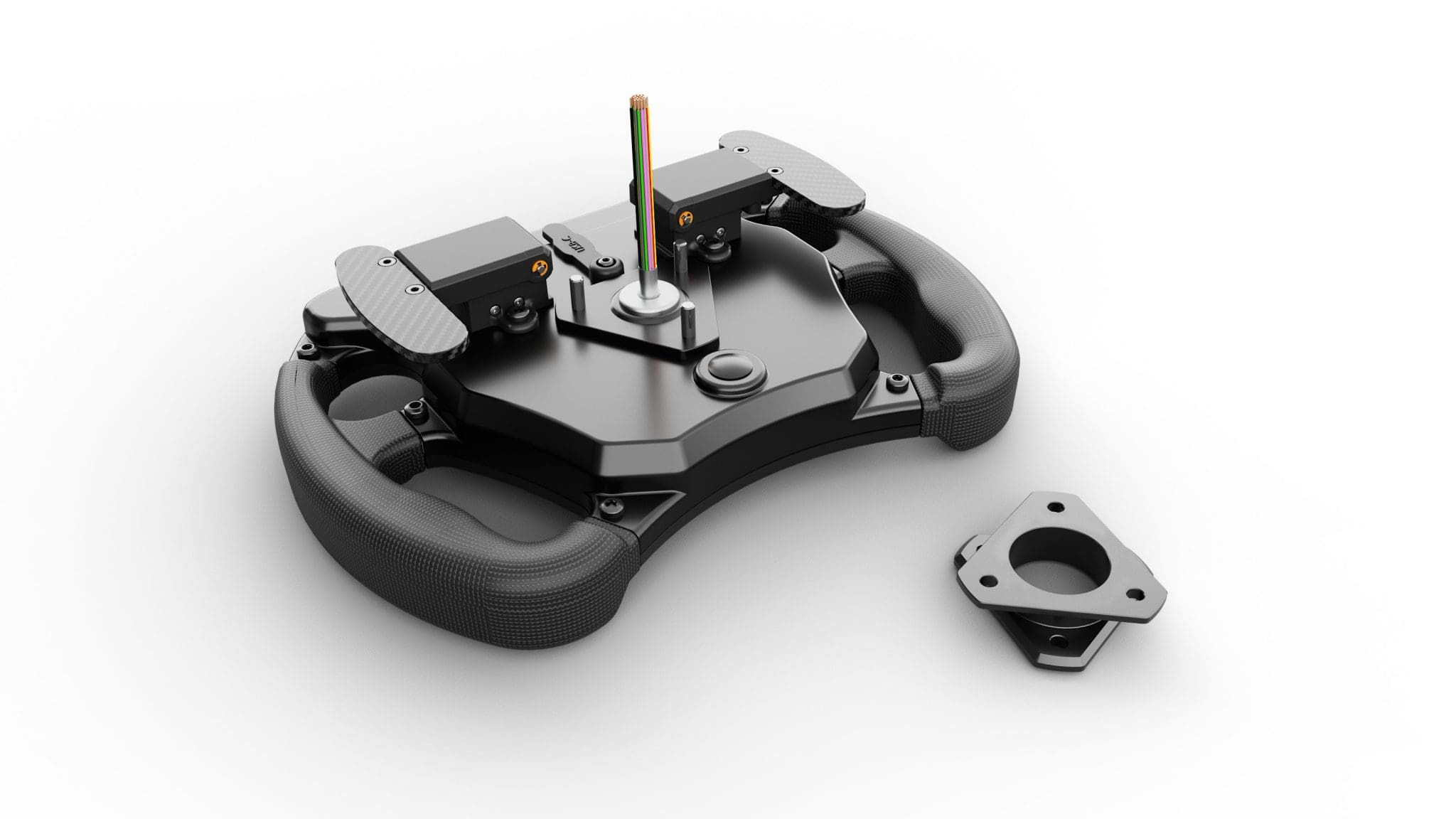
The application concerns the SW4 racing steering wheel, a platform developed by AiM Tech S.R.L. that integrates TFT display, rotary selectors, control buttons and a data acquisition system compatible with more than 2,000 ECU protocols used in the world of racing. The growing complexity of onboard electronics requires a structure capable of maintaining extremely precise dimensional tolerances while also ensuring light weight, stability and aesthetic quality.
To produce the front panel and accessory components of the steering wheel, AiM Tech
S.R.L. selected LATAMID 66 H2 K/50 by LATI, a high-toughness PA66 polyamide reinforced with 50% carbon fibre, injection moulded by G.S.T. Plast.
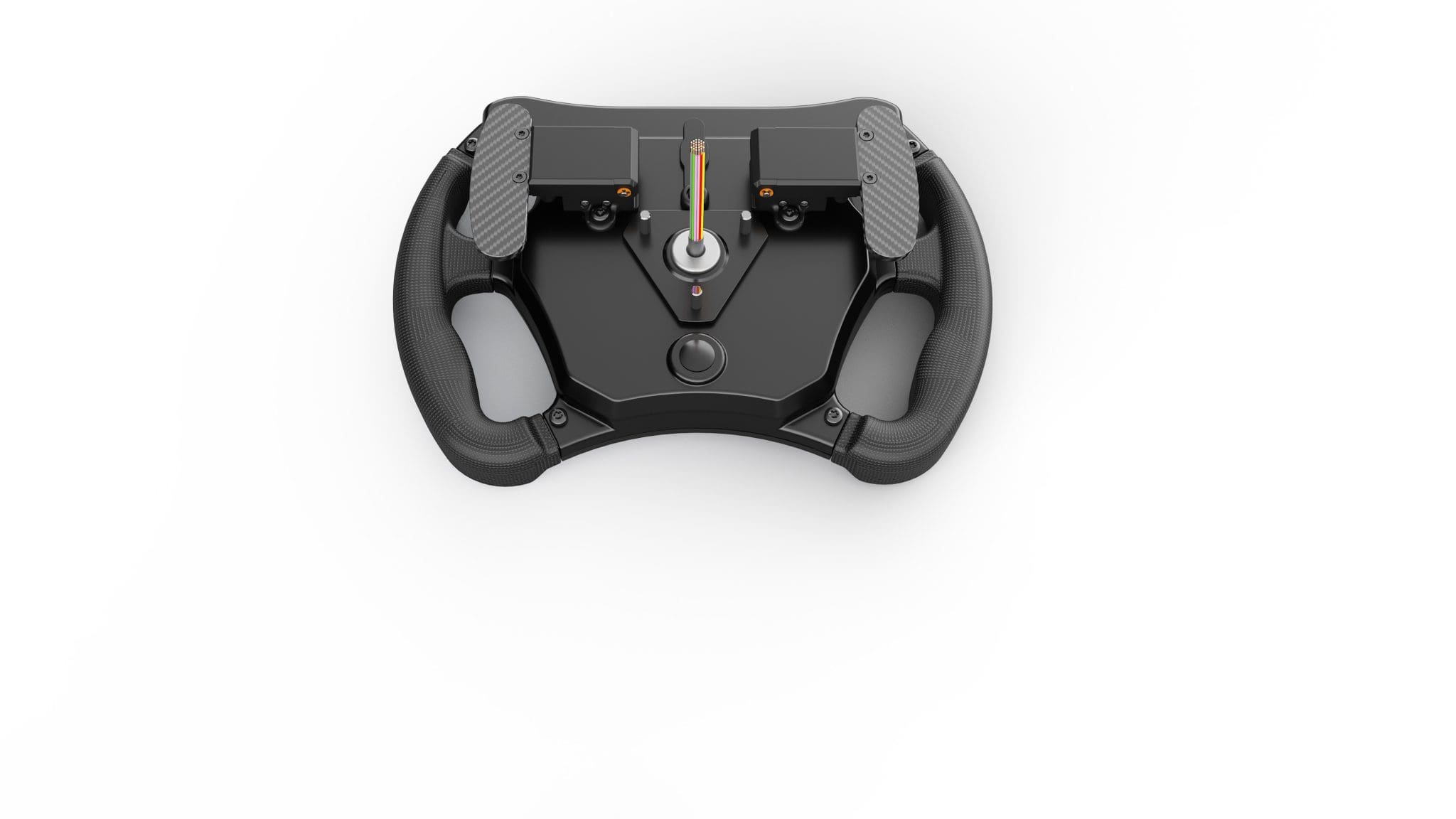
- High structural stiffness;
- Reduced component weight;
- High-dimensional stability;
- Minimal deformation under load;
- Chemical resistance to oils, greases and fluids used in racing
These characteristics are especially important for components that act as mechanical supports for integrated electronics. In the case of the SW4 steering wheel, the front panel houses numerous fastening points, openings and interfaces that require high geometrical precision to ensure correct assembly of the electronic devices.
The combination of component design, injection moulding technology and compound properties made it possible to achieve the accuracy levels required for an application intended for professional racing use.
In addition to its functional performance, the material also proved suitable for subsequent aesthetic finishing processes. The component is in fact subjected to cubic printing, a decorative treatment that reproduces the typical appearance of carbon-fibre composites while maintaining the mechanical performance and surface precision required by the project.
The application confirms the growing role of reinforced engineering thermoplastics in next-generation motorsport platforms, where the need to integrate advanced electronics, reduce weight and ensure operational reliability is driving designers toward increasingly high-performance materials.
The ability to combine light weight, geometrical precision, structural stability and design freedom makes carbon-fibre reinforced compounds an increasingly attractive solution for high-tech racing components.
Find more news from LATI here.