The Impact of Extended Producer Responsibility on the UK Packaging Industry // Plastribution Blog
 Dan Russell
- 3 minutes read

|
Getting your Trinity Audio player ready...
|
Extended Producer Responsibility (EPR) represents one of the most significant regulatory shifts the UK packaging sector has seen in years. As brand owners and packaging producers prepare for its full rollout, understanding what EPR involves and what it will cost is essential. In this blog, Plastribution breaks down what Extended Producer Responsibility (EPR) means for UK packaging producers, the costs involved, and how upcoming changes will reshape the industry’s approach to sustainability.
What is EPR?
Extended Producer Responsibility is a policy framework that makes those placing packaging on the UK market financially responsible for its entire lifecycle. This includes the costs of collection, recycling, and disposal.
The objective is simple: encourage more sustainable packaging design and reduce the environmental impact of consumer waste.
Key Timelines
While full implementation has been pushed back to October 2025, the groundwork is already underway. Since January 2023, producers have been required to collect detailed data on the packaging they use. Full-year submissions are expected by April 2025, and this data will underpin the cost model and fee structure moving forward.
What Will It Cost?
The government expects EPR to raise £2 billion annually, with brand owners covering 100% of the net cost of managing household packaging waste.
For plastic packaging, the proposed illustrative base fee is £485 per tonne -but actual costs will depend on how recyclable the packaging is.
Modulated Fees from 2026
From 2026, fees will be adjusted depending on recyclability:
- Green-rated (easily recyclable): lower fees
- Amber-rated (moderately recyclable): standard fees
- Red-rated (hard to recycle): higher fees
These penalties increase over time, starting at 1.2x the base fee in 2026 and reaching 2x by 2028. It’s a clear financial signal: improve your recyclability or pay more.
Retailers are already modelling the impact -Marks & Spencer, for example, estimates their annual EPR bill will be around £40 million. DEFRA forecasts an average cost increase of £56 per household, per year.
Challenges for the Industry
EPR has the potential to drive real change, but several challenges stand in the way:
- Data collection remains a significant hurdle, particularly for small and medium-sized enterprises.
- Cost pressures may disproportionately affect smaller producers who lack in-house expertise or scalable systems.
- Meeting recyclability targets will take effort. Even if you’re not paying the EPR directly, demonstrating ‘green-rated’ packaging can be a valuable commercial advantage.
- Current recycling infrastructure isn’t fully aligned with these ambitions. The methodology behind recyclability assessments reflects current recycling capabilities, which may need significant development.
Another question the industry is asking: Where will the money go? There’s concern over how EPR funds will be used -and whether they’ll meaningfully support local authority recycling systems.
Watch Plastribution’s video below, featuring Joe Putt, Technical & Regulatory Affairs Specialist, and Ian Chisnall, Product Manager for Sustainable Materials and Polyolefins, discussing the topic of EPR:
Summary
- EPR makes brand owners financially responsible for managing packaging waste
- Full implementation is set for October 2025, with modulated fees starting 2026
- Understanding recyclability assessment is essential -the current methodology is available now but will likely evolve
- Success depends heavily on improved UK recycling infrastructure
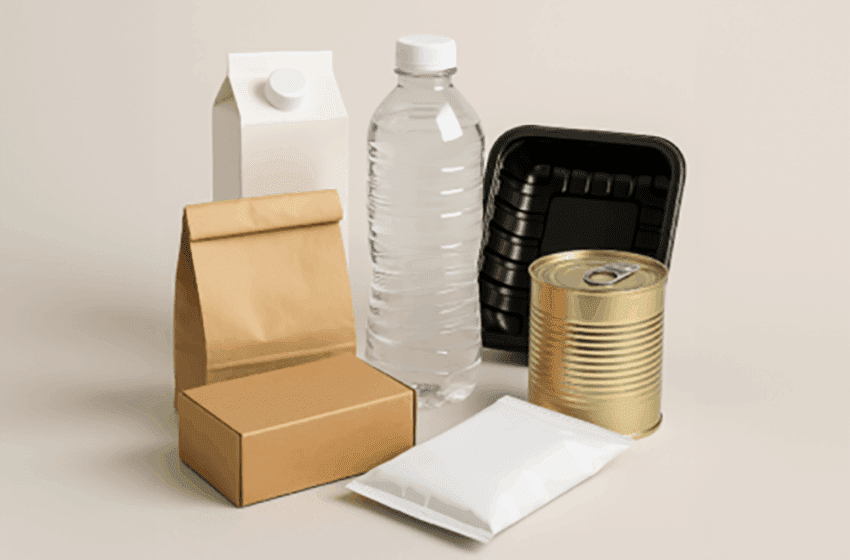
- EPR applies to all packaging types, not just plastics
Find more news from Plastribution here.

Read more on Plastribution here.
+44 (0) 1530 560560
Website
Email